I Love Real Estate Design 6 Review
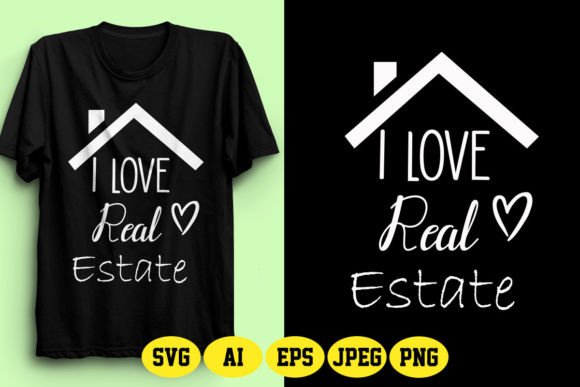
As someone who has spent years navigating the fine line between a digital graphic and a stitched reality, I approach every new asset with a critical eye. When I first opened I Love Real Estate Design 6, my immediate goal was to determine if it held up under the scrutiny of a real-world embroidery project. This is not just another clip art file sitting in a folder; it is a potential centerpiece for custom apparel, boutique merchandise, or a heartfelt personalized gift. The description promises this is a "Realtor T-Shirt Design Specially for Realtor Lovers," but as an experienced designer, I know that what looks good on a screen often behaves differently when translated into thread.
First Impressions: Visual Weight and Layout
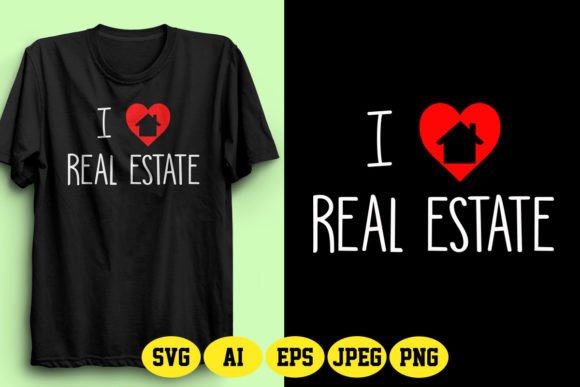
The initial visual impact of I Love Real Estate Design 6 is bold and straightforward. It captures the enthusiasm of the profession without getting bogged down in excessive detail that might choke a machine. For those of us creating T-Shirt Designs, the layout feels balanced, offering a clear focal point that works well for chest placements or back-of-shirt applications. The mood is celebratory and professional, making it an excellent candidate for a handmade product intended for open houses, team appreciation gifts, or even a small shop product aimed at local agents.
However, the true test of any Graphics file lies in how it translates to stitch types. In my mind's eye, I am already mapping out where the fill stitch will dominate the larger shapes and where the satin stitch will define the edges. The design appears to have clean lines, which is crucial for maintaining definition on textured fabrics like sweatshirts or heavy canvas tote bags. If the lines are too thin, they risk disappearing in the weave of the fabric; if they are too thick, they can cause puckering. This design seems to strike a reasonable middle ground, though I would always recommend checking the actual stitch density before committing to a client order.
A Real-World Scenario: The Custom Realtor Sweatshirt
Let's walk through a practical application. Imagine you are preparing a custom embroidered sweatshirt for a top-performing agent who needs a warm, branded look for winter open houses. You load I Love Real Estate Design 6 into your software and visualize it on a heather grey fleece. The contrast here is key. On a dark or medium-toned background, the thread colors need to pop. A bright red or navy blue could work beautifully against the grey, provided the machine embroidery design allows for enough color separation.
In this scenario, the design serves as more than just decoration; it becomes a statement of identity. When the agent wears this custom apparel, customers see professionalism mixed with passion. The design fits naturally on the left chest for a subtle nod or centered on the back for high visibility. Because the theme is specific to real estate lovers, it avoids the generic feel of many stock designs. This specificity increases the perceived value of the finished product, making it a stronger contender for an Etsy listing or a craft fair booth compared to a generic house icon.
Navigating Fabric Challenges and Hoop Constraints
While I Love Real Estate Design 6 looks promising, there are areas where caution is required. One common pitfall with text-heavy or logo-based designs is the interaction with stretchy or thin fabrics. If you attempt to embroider this on a lightweight t-shirt without the proper stabilizer, the fabric may pucker around the dense areas of the design. Always test the design on scrap fabric first, mimicking the texture and weight of your final material.
Another consideration is the hoop size. While the design is versatile, ensure your hoop can accommodate the full width without distorting the shape. If you are working on curved surfaces like caps or hats, the curvature can alter the perception of straight lines and angles within the embroidery file. In these cases, a cap-specific stabilizer and a smaller hoop are essential to maintain the integrity of the lettering and graphics. Additionally, if you plan to use this for baby items or nursery decor, be mindful of the stitch count and softness of the backing to ensure comfort against sensitive skin.
Practical Designer Notes for Success
- Test Runs Are Non-Negotiable: Never skip the test run on scrap fabric. Check for registration issues, especially where different thread colors meet. Ensure the running stitch outlines are secure and do not pull away from the fill.
- Contrast Matters: Evaluate the design in black and white mockups first. If the details get lost in grayscale, they will likely struggle on light fabrics. Adjust thread colors to maximize contrast against your chosen fabric texture.
- Stabilizer Selection: For sweatshirt embroidery or heavy tote bag designs, use a cutaway stabilizer to support the weight of the stitches. For lighter items like tea towels or pillow covers, a tear-away or water-soluble option might suffice.
- Licensing Check: Before selling finished items or digital products, confirm the licensing terms. Even if the design is perfect for personal projects, commercial rights for commercial embroidery or resale as a digital embroidery file must be explicitly granted.
- Density and Detail: Inspect small details closely. Tiny lettering or intricate corners can sometimes merge during stitching. If the design includes fine details, consider simplifying them slightly in your editing software to ensure clarity on the final garment.
Enhancing Product Value and Brand Consistency
Using a well-chosen design like I Love Real Estate Design 6 directly impacts the visual appeal and marketability of your work. A clean, professional stitch job elevates a simple tote bag into a premium personalized gift. For the Etsy seller or small business owner, consistency is key. When your customers see a high-quality embroidered patch or a crisp holiday embroidery item, their trust in your brand grows. They begin to associate your name with quality craftsmanship rather than just another drop-shipped item.
This design also offers flexibility for various seasons. While it is inherently a year-round asset for realtors, it can be adapted for holiday gifts by pairing it with seasonal thread colors or adding complementary elements like a ribbon or a festive tag. The ability to pivot a single design across multiple product lines—from aprons to blankets—maximizes the return on investment for your design assets.
Final Verdict for the Maker
In conclusion, I Love Real Estate Design 6 presents a solid opportunity for designers looking to expand their portfolio with niche, profession-specific content. Its strength lies in its clear messaging and adaptable layout, making it suitable for a wide range of embroidery projects. However, success depends on your execution. By respecting the limitations of your machine, choosing the right materials, and testing thoroughly, you can transform this digital graphic into a tangible, high-value product.
Whether you are crafting a one-off personalized gift for a friend or building a catalog of custom apparel for a local real estate firm, this design has the potential to shine. Just remember that the magic happens not just in the file itself, but in the hands of the maker who understands how to bring it to life with precision and care. Take the time to review the stitch density, select your thread colors wisely, and let your creativity guide the final presentation of this engaging finished product.